
Buy Butterfly Valves Wholesale from China Manufacturer
Butterfly valves are quarter-turn valves designed to regulate, isolate, or shut off fluid flow in pipeline systems. A rotating disc inside the valve body controls the flow passage, allowing the valve to open or close with a relatively small turning angle. Their compact construction, lightweight design, and simple operating principle make them suitable for water, HVAC, chemical, power, and general industrial piping systems.
What Is a Butterfly Valve?
A butterfly valve is a type of rotary valve that uses a circular disc to control the movement of fluid through a pipeline. The disc is mounted on a central stem and rotates around its axis. When the disc is aligned with the flow direction, the passage is largely open; when it rotates across the passage, the flow is restricted or shut off.
Compared with some other industrial valve designs, this structure requires relatively little installation space and is well suited to large-diameter pipelines. Depending on the seat material, body construction, and operating conditions, butterfly valves can be used for different liquids and gases across a range of industrial applications.
Types and Configurations
This valve type can be classified according to sealing structure, disc arrangement, connection type, and actuation method. Common designs include resilient-seated, high-performance, and metal-seated configurations. The appropriate design depends on the pressure, temperature, fluid medium, and sealing requirements of the application.
According to connection method, common options include wafer, lug, and flanged types. Wafer designs are installed between pipe flanges, while lug and flanged configurations provide different installation and maintenance arrangements. For operation, valves may use a manual handle or gearbox, or be equipped with pneumatic or electric actuators for automated systems.
Construction and Working Principle
A typical valve consists of a body, disc, stem, seat, and operating mechanism. When the stem rotates the disc, its position changes relative to the pipeline, controlling the amount of fluid passing through the valve. In the fully closed position, the disc and seat work together to isolate the pipeline.
Body, disc, stem, and seat materials can be selected according to the service medium and operating conditions. Proper material selection is especially important when the valve is exposed to corrosive fluids, elevated temperatures, abrasive media, or specific chemical environments.
Key Features
Quarter-turn valves are commonly selected where compact construction, simple operation, and efficient pipeline installation are important. Depending on the design, typical features include:
Compact Construction
Reduced installation space compared with many other valve designs.
Quarter-Turn Operation
Quick opening and closing with a small turning angle.
Wide Size Coverage
Suitable for both small- and large-diameter pipeline systems.
Multiple Seat & Material Options
Different seat and material combinations for various media.
Flexible Connections
Wafer, lug, and flanged connection options available.
Manual & Automated Actuation
Manual, pneumatic, and electric actuation supported.
Isolation & Flow Control
Suitable for pipeline isolation and selected flow-control applications.
Applications
These valves are widely used in water supply and drainage, wastewater treatment, HVAC systems, fire protection, chemical processing, power generation, industrial equipment, and fluid transportation.
The configuration should be selected according to the actual operating environment. Water applications may require different materials and sealing designs from chemical processing or high-temperature services. For automated pipeline systems, actuator selection should also match the required operating torque, control method, and duty conditions.
- Water Supply & Drainage — distribution and transmission pipelines
- Wastewater Treatment — aeration, sludge and process lines
- HVAC Systems — chilled water, cooling and heating circuits
- Fire Protection — sprinkler and fire main isolation
- Chemical Processing — compatible media handling
- Power Generation — cooling water and auxiliary systems
- Industrial Equipment — general fluid control duty
- Fluid Transportation — bulk liquid transfer pipelines
How to Select the Right Valve
Several technical factors should be evaluated when selecting a suitable valve rather than choosing it based only on nominal pipe size:
1
Nominal Size and Pressure Rating
The valve should match the pipeline dimensions and required pressure conditions.
2
Medium Characteristics
Fluid composition, corrosiveness, viscosity, and suspended particles can affect material and seat selection.
3
Operating Temperature
Temperature affects the suitability of sealing materials and other components.
4
Connection Type
Wafer, lug, and flanged configurations should correspond to the pipeline design.
5
Actuation Method
Manual, pneumatic, or electric operation should be selected according to operating frequency and automation requirements.
6
Sealing Requirements
Seat and sealing materials should be appropriate for the medium and working conditions.
Quality and Manufacturing Considerations
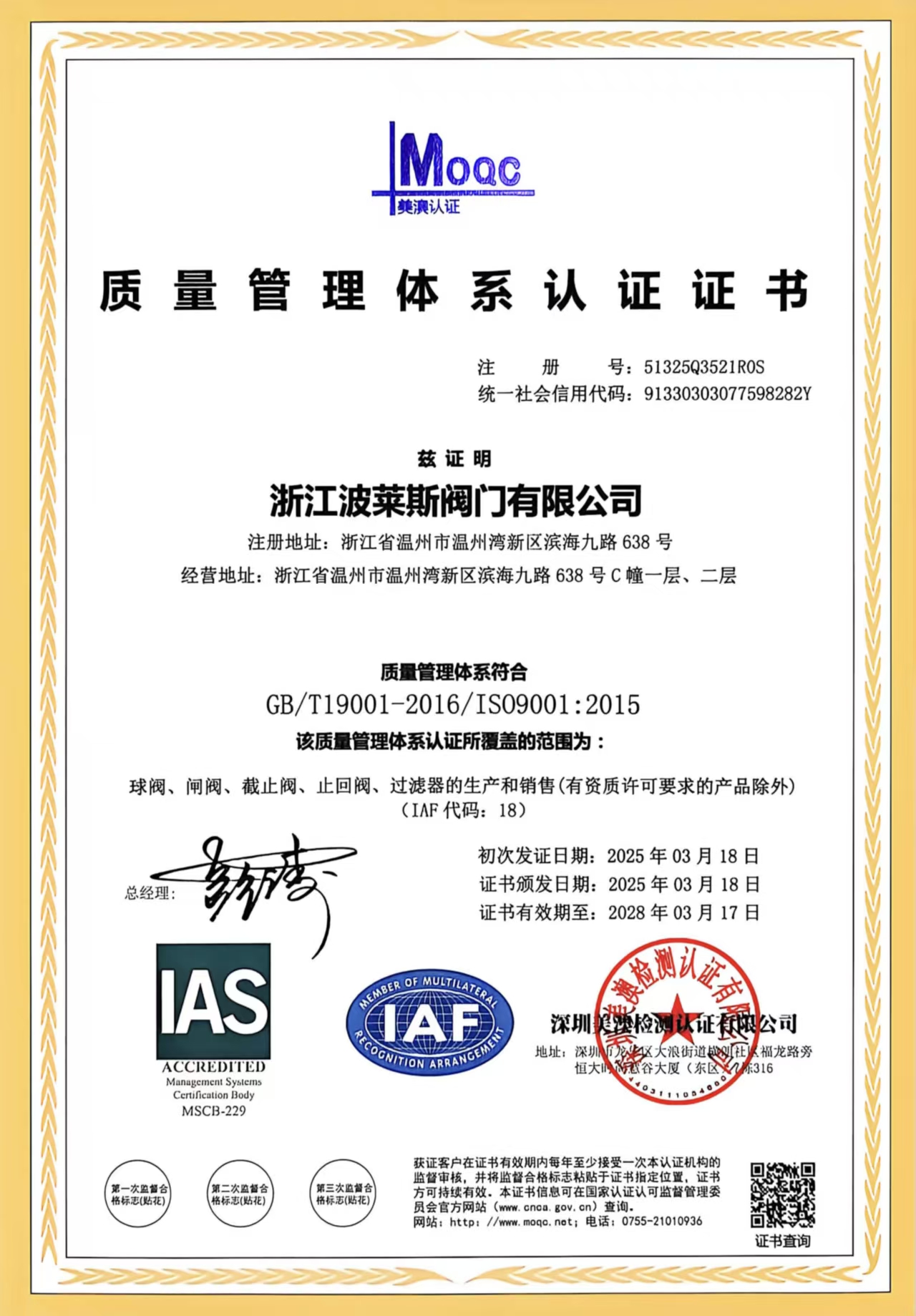
Reliable valve manufacturing requires consistent control of dimensional accuracy, material selection, sealing performance, and assembly quality. Important inspection points may include body dimensions, disc and stem assembly, sealing surfaces, operating performance, and pressure-related testing according to applicable product requirements.
For industrial projects, buyers should confirm the applicable valve standards, pressure class, material specifications, testing requirements, and technical documentation before ordering. These details help ensure compatibility with the intended pipeline system.
Professional Valve Supply
Butterfly valves are available in different sizes, body and disc materials, sealing configurations, connection types, and actuation options. A professional supplier should be able to provide technical specifications, material information, applicable standards, testing documentation, and configuration support based on the actual application.
Whether used for water treatment, HVAC, industrial processing, or other fluid-control systems, selecting the appropriate configuration according to the working medium, pressure, temperature, pipeline size, and operating requirements helps support reliable installation and service performance.
Need a Butterfly Valve Quote for Your Project?
Send us your pipeline size, pressure rating, medium and connection standard — our engineers will recommend the right configuration and reply within 24 hours.
Send Inquiry Now
Sommerfugleventil fra Bolaisi tilbyder førsteklasses kvalitet med hurtig levering og fleksibel tilpasning. Kontakt os i dag for en gratis prøve og et konkurrencedygtigt tilbud!